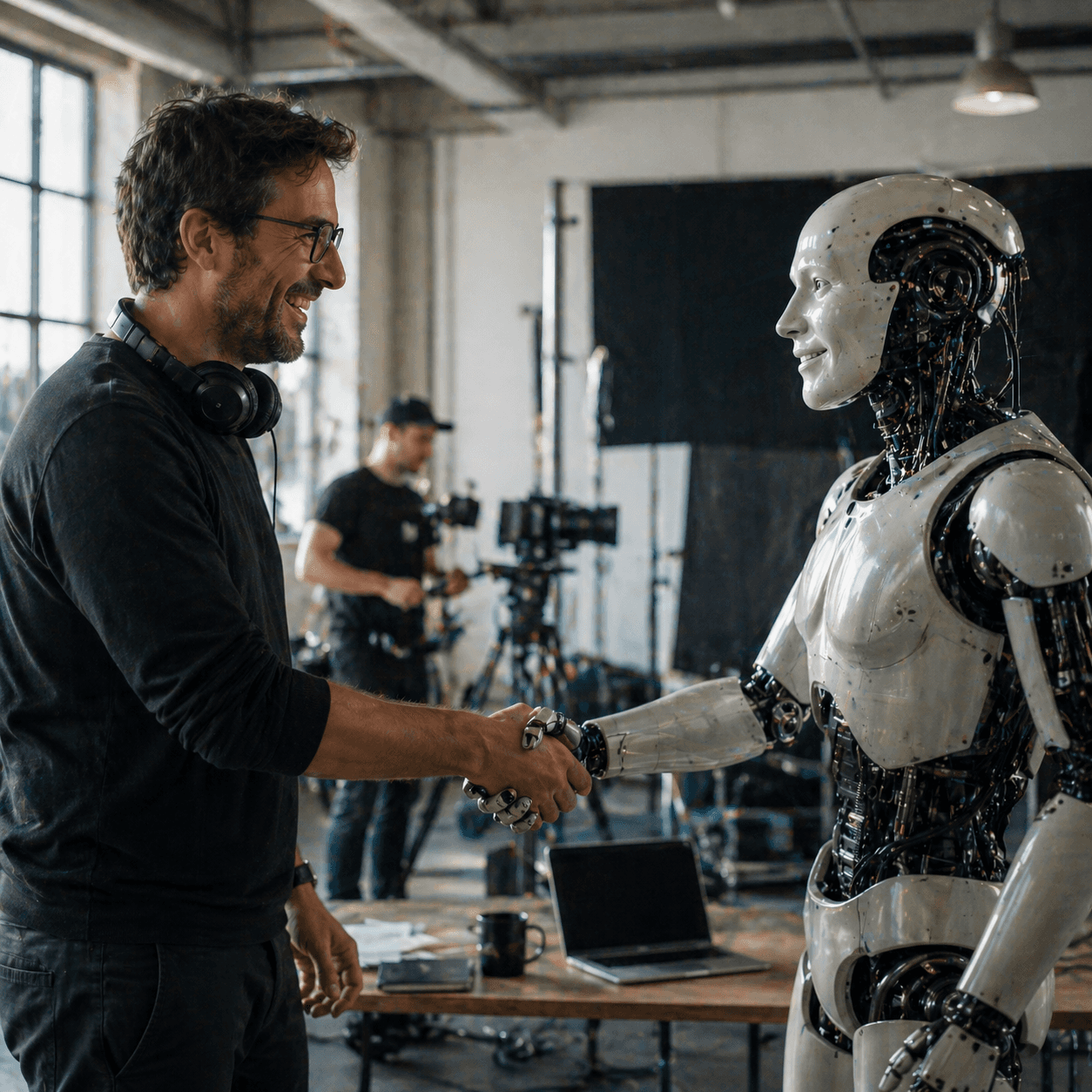
To, kar pišem, je čisto moje mnenje. Ne trdim, da bo tako. Mogoče se motim. Ampak to je moj pogled po zadnjih treh mesecih in pol, odkar vsak dan delam z umetno inteligenco in imam dva video studia na tem področju. Prvi AI oglas sem videl decembra 2025 na slovenski televiziji in takrat sem mislil, da to uporablja že večina podjetij na svetu, kar se tiče video reklam. V zadnjem tednu sem zasledil še dva oglasa, narejena s pomočjo umetne inteligence, in če ne bi spremljal te scene ter videl videa na Instagramu, tudi jaz, ki to spremljam, ne bi prepoznal, da sta narejena z umetno inteligenco. Hkrati pa sem prepričan, da sta bila vsaj desetkrat cenejša od klasičnih oglasov, ki jih sicer gledamo na televiziji. To je samo en konkreten primer, v katero smer se bodo stvari razvijale. Januarja sem začel raziskovati in se učiti in iskreno sem imel občutek, da sem že zamudil, pa nisem. Danes, aprila, imam občutek, da je umetna inteligenca povsod. Vsak dan novi toolsi, novi modeli, nove možnosti. Ampak hkrati imam še en zelo močan občutek, da smo šele na začetku.
Če sem se v teh mesecih kaj naučil, je to, da gre razvoj brutalno hitro. Kar danes izgleda povprečno, bo čez en mesec dobro. Kar danes deluje OK, bo čez pol leta vrhunsko. In ja, bombardirani smo z vseh strani. Osebno mi tak svet ni najbolj všeč, torej preveč telefonov, premalo pristnega stika, ampak to je že druga tema. Bolj zanimivo je nekaj drugega.
Ljudje se upirajo. In to zelo. Če gledam komentarje na LinkedInu, bi rekel, da se 90 odstotkov ljudi upira. Upirajo se predvsem tisti, ki globoko v sebi čutijo, da je njihovo delovno mesto v prihodnosti nadomestljivo ali ogroženo, čeprav si tega nočejo priznati. Komentarji pa so vedno isti, da to ni pristno, da je vse umetno, da vse izgleda enako. In najbolj zanimivo je, da to pogosto prihaja od ljudi, ki jih bodo te spremembe najbolj prizadele. Dobili smo en komentar pod našo reklamo, da naj video produkcija ostane video produkcija. Kliknem na profil in oseba je bil videograf, torej se profesionalno ukvarja s snemanjem filmov in reklam. Namesto da bi svojo energijo vložil v nadgradnjo svojega znanja, izgublja čas s komentiranjem naših objav. To je kot borba z mlini na veter. Ne jaz ne on ne bo ustavil razvoja umetne inteligence.
To me ves čas spominja na eno zgodbo iz preteklosti. V 80. in 90. letih, ko so računalniki začeli prihajati v podjetja, se je ogromno ljudi upiralo. Govorili so, da to ni potrebno, da je preveč zapleteno, da nikoli ne bo nadomestilo pravega dela. Marsikdo je verjel, da so računalniki samo neka modna muha za tehnološke navdušence. Tudi velika podjetja niso razumela, kam to pelje. Pri IBM so v zgodnjih fazah podcenjevali, kako velik bo trg osebnih računalnikov, in ideja, da bo imel skoraj vsak človek svoj računalnik doma ali celo v žepu, se je zdela pretirana. Ampak problem ni bil v tehnologiji, problem je bil, da niso razumeli, kam gre svet. Računalniki niso izginili, niso ostali nišna stvar, postali so osnova skoraj vsake industrije in spremenili način dela, komunikacije in poslovanja. Danes si težko predstavljamo podjetje brez računalnika.
Točno to vidim danes pri umetni inteligenci. Poslušam iste stavke, samo da so zamenjani pojmi. Namesto da računalniki ne bodo nadomestili dela, danes poslušam, da AI ne bo nadomestil tega ali onega, da to ni prava kvaliteta, da bodo ljudje vedno izbrali človeka. Ljudje se ne zavedajo, da lahko z AI naredimo ogromno stvari, za katere ne potrebujemo desetih ljudi, ampak enega bota, ki nam vse skupaj vodi in je učinkovitejši ter precej cenejši. Vsako podjetje razmišlja enako, kako zmanjšati stroške in kako povečati prihodke. In če lahko umetna inteligenca naredi delo več ljudi hitreje in ceneje, bo to nekdo izkoristil. To se že dogaja. To ni teorija. To je realnost.
In zdaj, da se razumemo. Jaz sem verjetno prvi, ki mu tak svet ni najbolj všeč. Nisem nekdo, ki bi bil navdušen nad tem, da vse postaja digitalno, umetno in avtomatizirano. Iskreno, bolj mi je bil všeč čas, ko je bilo vse bolj pristno. Recimo okoli leta 2010. Tehnologija je že bila na visokem nivoju, ampak še vedno smo se več družili, več smo bili skupaj. Nismo si samo pisali sporočil, ampak smo se dejansko videli. Danes pa je pogosto ravno obratno.
Ampak realnost je takšna, kot je. Ne glede na to, ali nam je to všeč ali ne, gre svet v to smer. In tukaj ni vprašanje, ali se bo to zgodilo. To se že dogaja. Noben od nas ne bo ustavil razvoja umetne inteligence. Lahko pa se odločimo, kako bomo na to reagirali.
Tisti, ki bodo pravočasno spregledali in razumeli, v katero smer gre svet, si lahko s tem danes ogromno pomagajo. Tisti, ki si bodo še naprej zatiskali oči, pa bodo zelo verjetno imeli težave v prihodnosti.
Po eni strani je to slabo, po drugi strani pa ogromna priložnost. Danes si lahko avtomatiziraš delo, ustvariš svoja orodja, zgradiš nov vir prihodka brez velike ekipe. Če bi si nekdo vzel eno uro na dan in se eno leto učil, sem prepričan, da bi lahko našel boljšo priložnost, kot jo ima danes. Ker delam v video svetu, to še posebej vidim. Veliko ljudi se upira, ampak realnost je, da je AI video hitrejši, cenejši in vedno boljši. To ne pomeni, da klasična produkcija izgine, pomeni pa, da bo kombinacija zmagala.
Če pogledam naprej, si čez nekaj let ne predstavljam podjetja brez umetne inteligence, iskreno ne. Mislim tudi, da nas čaka precej turbulenten čas, možna so odpuščanja in nek reset na trgu, ker ko podjetja enkrat začnejo optimizirati, se stvari hitro premaknejo. To je moj pogled. Mogoče se motim, mogoče ne. Ampak če bi moral danes dati en nasvet, bi rekel zelo preprosto. Začni se učiti umetno inteligenco, ker imam občutek, da čez nekaj let ne bo več vprašanje, ali jo uporabljaš, ampak kako dobro jo znaš uporabljati, in tisti, ki bodo znali, bodo imeli ogromno prednost. Čas bo pa tako ali tako pokazal svoje.
V naslednjem blogu pa bom pisal o tem, kako sem jaz konkretno že prihranil ogromno denarja z uporabo umetne inteligence, kako bi jo lahko tudi vi in kateri poklici bodo po mojem mnenju najbolj pod pritiskom oziroma se bodo morali najbolj prilagoditi.
Rok Z.